

Manufacturing
Know what is happening on your plant floor, and what it is costing you.
Canvas turns the sensing and systems your plant already has into one operational picture, so the morning meeting starts from the same facts. It is delivered through a systems integrator partner, in days rather than months.
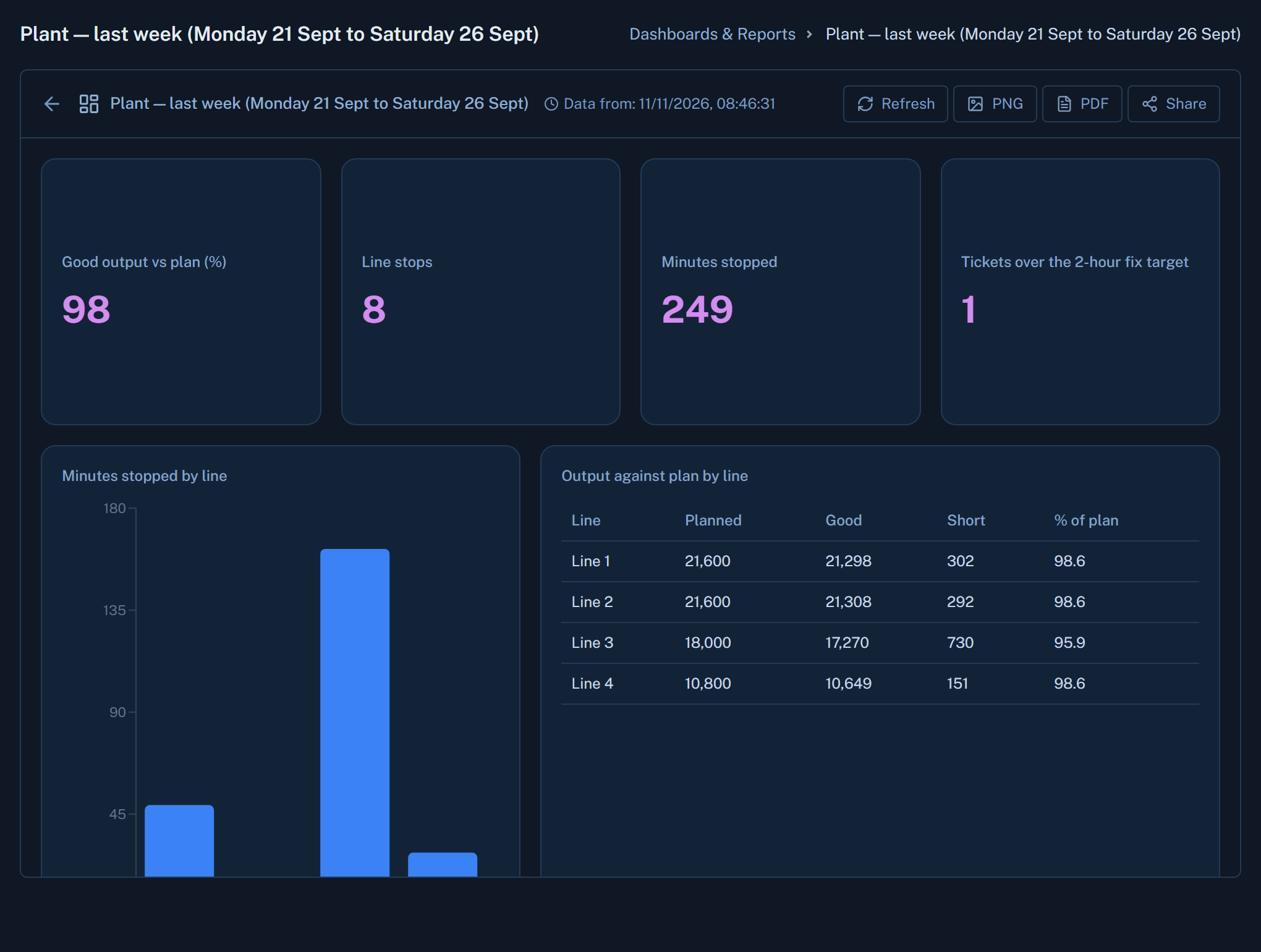
A morning in the plant office
The shift report says the line ran. The gate log says something different. Maintenance has a note on paper, purchasing has a spreadsheet, and the supervisor has a version in his head. By nine o'clock the operations director has three answers to one question, and the person who reconciles them is, again, a human being with a phone.
Nobody in this picture is doing their job badly. The plant's truth is simply spread across systems, folders and people, and people have become the integration layer.
Canvas sits between the system of record and the reports built after the fact. It brings the signals together as they happen, shows the plant what is actually going on, and puts the next step in front of the right person.
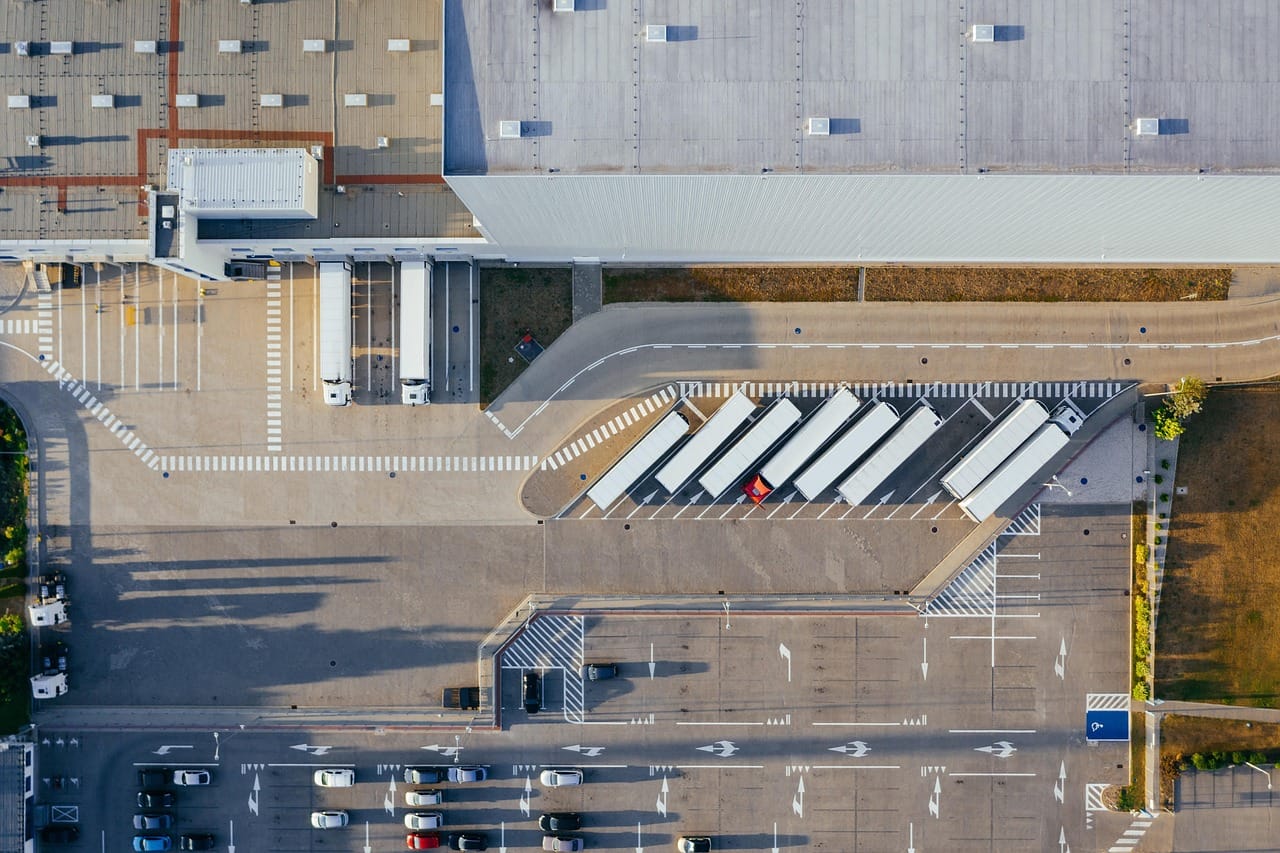
In production
Supplier trucks, followed from gate to dock and out
At the Mitsui Bussan factory in Samut Prakan, Canvas follows supplier trucks through the gate so the plant can see how long each one has been on site and where it was last seen. It is the kind of cost that never appears on a report until someone goes looking for it.
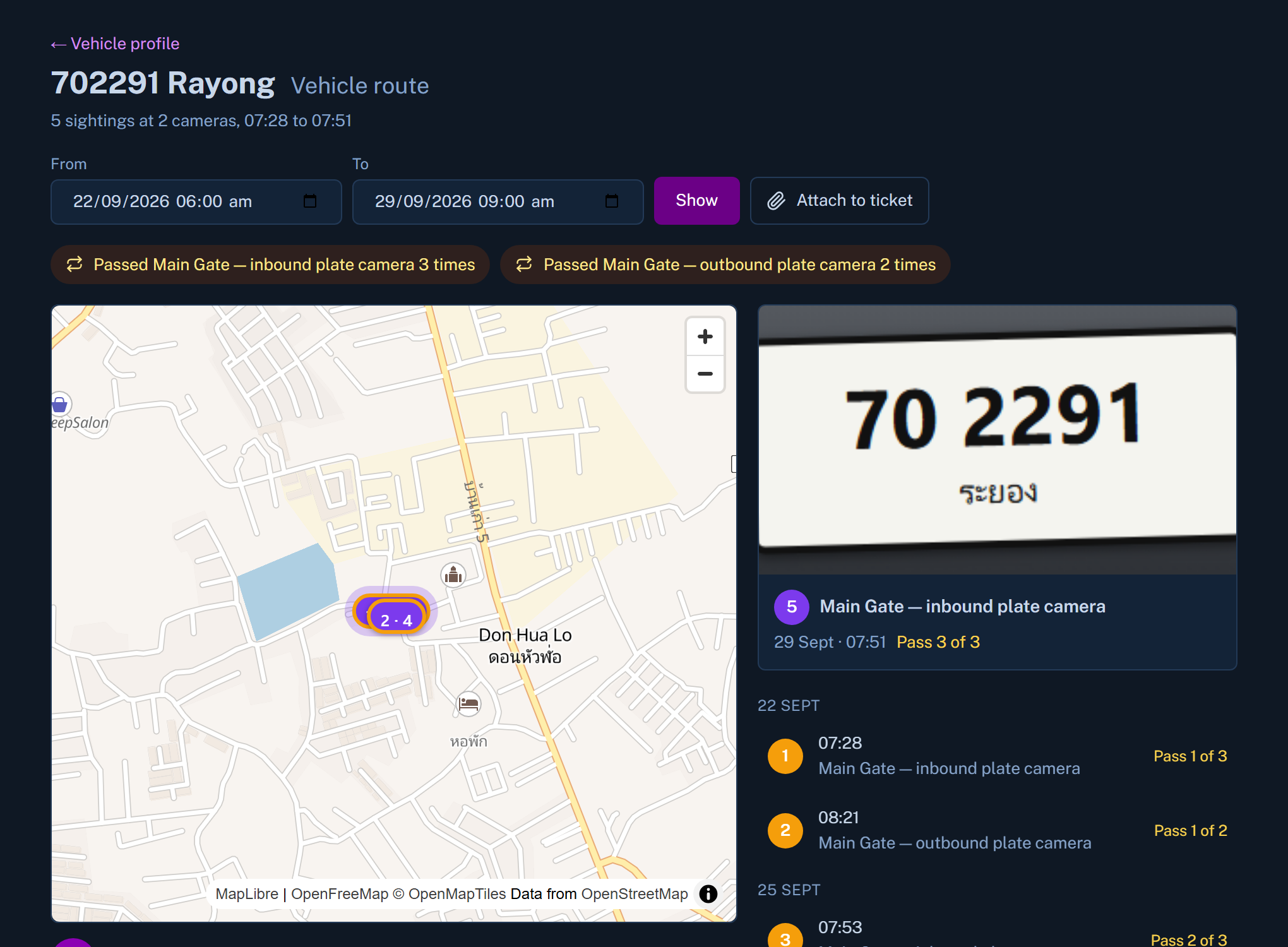
- Vehicle plates are read at the gate and become events Canvas can act on
- Time on site is tracked per truck, so the picture is about the process, not about individuals
- Operational follow-up can run as a ticket with the steps to follow, instead of a message that gets forwarded
What the plant gets
Operations first, sensing underneath
Cameras and sensors are inputs. What the plant director uses is the operating layer above them.
One picture of the floor
Gate events, machine and I/O signals, building systems and your own spreadsheets brought together in Canvas, with the plant map showing where things are happening.
Procedures that run themselves
When something goes wrong, the SOP appears on the ticket as a checklist, and service clocks track how long each step is taking.
People told in the chat they already use
LINE and Microsoft Teams carry questions, charts and acknowledgements to the people who need them, with an approval step wherever a person should decide.
Quality and alignment checks
Takagi Seiko, a precision manufacturer, uses Corvus to detect misalignment, feeding what it sees into the same operating picture.
Getting started
Through a partner, starting with one question
Most plants begin with a single operational question that is expensive to answer today, then widen from there.
Pick the question
Truck waiting, a misaligned part, a line that stops without explanation. Start where the cost is easiest to feel.
Connect what already exists
Canvas reads from the plant's databases, network folders, I/O modules, cameras and recorders. Your data stays inside your perimeter.
Agree the response
Decide who is told, what the procedure is, and who approves. Then it runs.
Widen at your pace
Add the next area of the plant once the first one is trusted.
Questions plant directors ask
Does Canvas reconcile our ERP against the floor?
Not today. Canvas does not replace or reconcile your ERP. It brings together plant signals, tickets and procedures, and can read from SQL databases and network folders.
Is this a camera system?
No. Canvas connects to the video system you already have and does not record. Cameras are one of several inputs.
Where does our data live?
You hold and keep it. Canvas runs as a Windows installer, in Docker on Linux, or in cloud and hybrid setups.
Start with the question your plant cannot answer today.
Tell us where time or money is leaking on your floor. We will show you what Canvas would do about it, with a partner who can deliver it.